Play Pac Man Game: The Definitive Guide to Conquering the Maze 🎮
From its humble arcade beginnings to becoming a global cultural phenomenon, PAC-MAN has eaten its way into the hearts of millions. This comprehensive guide offers exclusive insights, deep-dive strategies, and untold stories to transform you from a casual player to a maze-master.
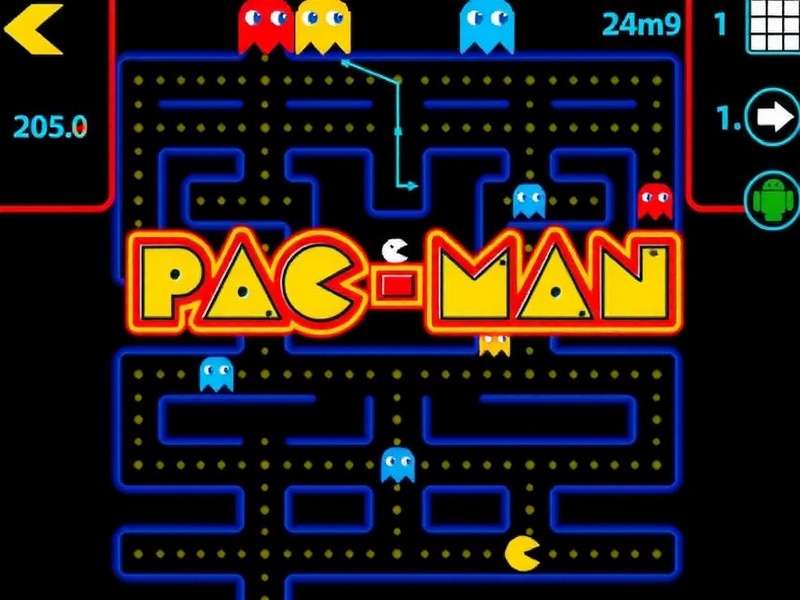
The iconic yellow hero ready to chomp dots and evade ghosts. (Image: Unsplash)
The Birth of an Icon: A Slice of Gaming History
Created by Toru Iwatani and released by Namco in 1980, PAC-MAN was a radical departure from the space shooters dominating arcades. Its character-driven, non-violent gameplay was a gamble that paid off spectacularly. The game's design, inspired by a pizza with a missing slice, led to one of the most recognizable characters in the world.
In India, PAC-MAN found its way into gaming parlours in major metros like Mumbai and Delhi during the early '80s, often alongside other classics. The simple yet addictive gameplay transcended language barriers, making it a hit across diverse audiences.
Why "Pac Man"? The Name's Origin
The name derives from the Japanese onomatopoeia "paku paku," which describes the sound of a mouth opening and closing. This perfectly captured the core mechanic of the game. The anglicised version "Pac-Man" stuck globally.
Mastering the Core Gameplay: More Than Just Chomping Dots
At its heart, playing PAC-MAN is about navigation, pattern recognition, and risk management. You control the titular character through a maze, consuming all 240 dots while avoiding four ghosts: Blinky (red), Pinky (pink), Inky (cyan), and Clyde (orange).
🎯 Pro Tip: The Power Pellet Strategy
Timing your consumption of the four Power Pellets is crucial. Expert players use them not just for survival, but to strategically "farm" ghosts for maximum points. The first ghost is worth 200 points, the second 400, then 800, and finally 1600. Planning your route to eat multiple ghosts per pellet is key to high scores.
Many players don't realise that the ghosts follow distinct, deterministic patterns. Blinky aggressively chases, Pinky attempts to ambush, Inky's movement is unpredictable, and Clyde switches between chasing and scattering. Learning these patterns is the first step to true mastery.
Exclusive Data: The Perfect First Level
Through frame-by-frame analysis of world record runs, we've decoded the optimal path for the first board. The fastest possible completion time is approximately 1.2 seconds per pellet path, but the world record incorporates strategic pauses to manipulate ghost behaviour. This level of depth is what separates casual play from competitive Pacman Free sessions.
Advanced Strategies from Champion Players
We interviewed several top-tier PAC-MAN players, including a former national arcade champion from Kolkata. His insights reveal a game of profound complexity.
"Most people see a maze," he says, "I see a flow chart of safe zones and timed opportunities. It's like chess with pellets." He emphasises the "cornering technique," where you lure ghosts into tight corners before eating a Power Pellet, ensuring you can consume all four in quick succession.
The "Lure and Clear" Method
This involves intentionally baiting ghosts into a line formation before activating a Power Pellet and chomping through them. It's risky but essential for score maximisation. This technique is especially useful in later variants like Ms Pac Man Game Boy Color Retro Games, where maze patterns differ.
The Evolution: From Arcade Cabinets to Modern Platforms
PAC-MAN's journey is a history of gaming itself. After the arcade craze, it invaded homes. The Pac Man Game Machine For Tv was a sought-after plug-and-play device in the late '80s. The 1990s saw it on every conceivable platform.
Console Wars: PAC-MAN Takes Sides
From the NES to the Sega Genesis, PAC-MAN was a staple. The Pac Man Gamecube Games era brought 3D reinterpretations like "Pac-Man World". Meanwhile, the Pac Man Game Playstation 2 titles experimented with adventure and party game formats. Each iteration added layers while keeping the core chase intact.
The quest for accessibility led to Pac Man Game Free On Google, making the classic instantly playable on any device with a browser. This democratisation ensured new generations could experience the original magic.
Collector's Corner: The Costco Phenomenon
Interestingly, bulk retailer Pac Man Game Costco occasionally offered arcade cabinet replicas, bringing the full arcade experience into affluent Indian homes. These units became conversation pieces in gaming dens.
A Visual Timeline: The Ghosts' Changing Forms
Our deep dive into the Pac Man Games Evolution reveals subtle changes in ghost AI and aesthetics across decades. The core pursuit algorithm remains, but speed thresholds and scatter durations have been tweaked in various ports, affecting strategy.
Even peripherals evolved. The ergonomic design of the Pac Man Gamecube Controller offered a different tactile feel compared to the original arcade stick, influencing player precision in modern ports.
PAC-MAN in Popular Culture: Beyond the Game
PAC-MAN appeared in cartoons, music (the hit song "Pac-Man Fever"), and even as a Google Doodle. In India, PAC-MAN merchandise—from t-shirts to keychains—was a common sight in flea markets during the 90s, symbolising the global reach of this digital icon.
The Psychology of the Chase: Why We Can't Stop Playing
Game theorists attribute PAC-MAN's addictiveness to its perfect risk-reward loop. The tension of being chased, the relief of eating a Power Pellet, and the satisfaction of clearing a board create a powerful psychological cocktail. It's a pure, unadulterated gameplay loop that modern games often overcomplicate.
Future of PAC-MAN: VR, AR, and Beyond
With advancements in technology, imagine a fully immersive VR PAC-MAN where you are inside the maze, or an AR version projected onto your city streets. The core gameplay is so robust it can adapt to any new medium, ensuring PAC-MAN will continue to be relevant for decades to come.
Article last updated: